Our January 31st-February 1st concert features two remarkable works for oboe and strings written in 1933 and 1946, and examples of an English renaissance for the oboe as a chamber music instrument. It is a period which is musically very rich and diverse, with English composers showing new influences from Europe and America. These two works were written for, and premiered, by English oboist Léon Goossens (1897-1988).
Click to read our previous post about Benjamin Britten’s Phantasy.
Ernest John (“Jack”) Moeran (1894-1950) was older than Benjamin Britten, but his Fantasy Quartet was written in 1946, considerably later than Britten’s. EJ Moeran was closely connected to the musical establishment since his student days at the Royal College of Music before the First War, making numerous friendships and contacts with composers and performers. Like Britten, Moeran studied with John Ireland, and the Norfolk-based Moeran family were on friendly terms with the Brittens. There are diary entries by Britten which refer to Moeran from as early as 1930, and later on Britten records a visit by Moeran with ‘his new symphony’ and also mentions using some folksongs of his. In the summer of 1933, Britten spent time at Lowestoft, perhaps still recovering from the death of his father, and Moeran joined the family on the beach. Nineteen years Britten’s senior, this highly individual composer shared Britten’s interest in folk music and probably influenced the younger composer in this genre.
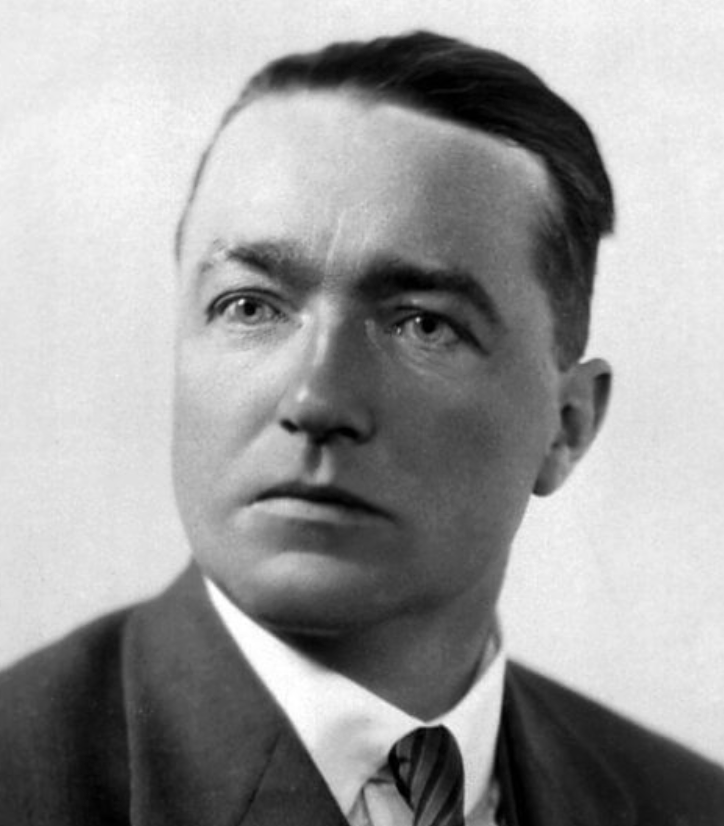
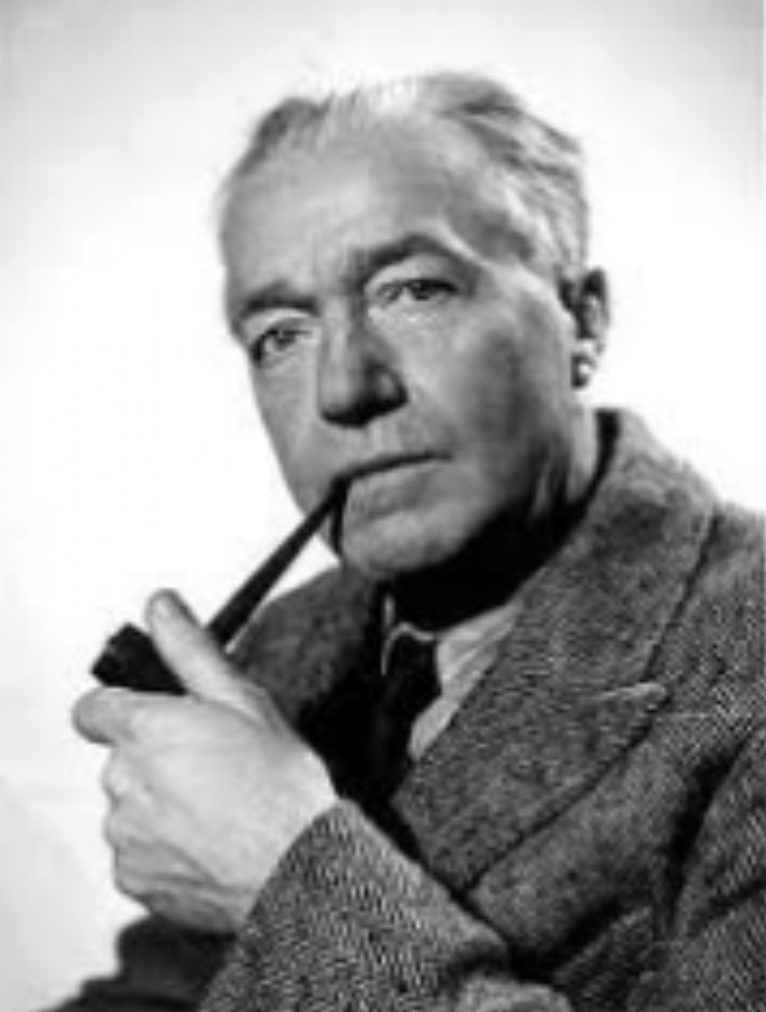
Perhaps because of this connection and perhaps because it was Goossens who asked Moeran for a work for oboe, the Fantasy Quartet decidedly relates to Britten’s work in name and in its one movement form.
The opening theme in a modal F minor is a beautifully shaped phrase, characterised by a quick rising fourth ornament.
These shapes are altered and developed in subsequent themes including two reflective slow sections where the spirit of Moeran’s folk writing seems so present.
But Moeran does not simply stay with traditional styles, and there are some very forward looking passages. After the opening section the music becomes animated, and the violin and oboe seem to be playing jazz.
The music then settles to a moderato where each instrument plays in a different key.
The thematic material is eventually given a virtuosic statement in a cadenza for the oboe…
…before the final brilliant coda.
It is one of Moeran’s finest compositions coming from his late and more richly original period of writing. However,he was by 1946 struggling with the alcoholism which contributed to his early death* and the quartet was somewhat bound up with his increasingly strained relationship with his wife, Peers. Craving her approval and clearly hurt by a comment from her, he wrote
‘…I have here the proofs of the Oboe Quartet. This does, on reflection, seem a bit naïve and childish. I liked it well enough when I heard it last Saturday, but it certainly does seem to hark back to the idiom of before the Sinfonietta and is, very likely, not the music of a grown up person’.
Perhaps it is this very harking back which gives the work its charm and its eloquence.
*Ernst Moeran had been seriously injured while fighting in World War I, suffered chronic pain for the rest of his life.

 UP CLOSE AND CLASSICAL
Leave a comment