Our January 31st-February 1st concert features two remarkable works for oboe and strings written in 1933 and 1946, and examples of an English renaissance for the oboe as a chamber music instrument. It is a period which is musically very rich and diverse, with English composers showing new influences from Europe and America. These two works were written for, and premiered, by English oboist Léon Goossens (1897-1988).
A previous post described the Cobbett Chamber Music Prize endowed in 1905 by Walter Wilson Cobbett (1847-1937), which asked contestants to write a single-movement Phantasy as a modern reflection on the Elizabethan Fancies or Fantasias for viols. The works were not to last more than twelve minutes and should contain equal interest in all the parts. This prize had become firmly established by 1932, when the young eighteen year-old Benjamin Britten, a student from the Royal College of Music, won it with his Phantasy in D minor for String Quartet.
His success seemed to inspire him to stay with the form when he commenced working on the Phantasy Oboe Quartet. An BBC broadcast in August 1933* by Goossens with members of the International String Quartet was the first performance.
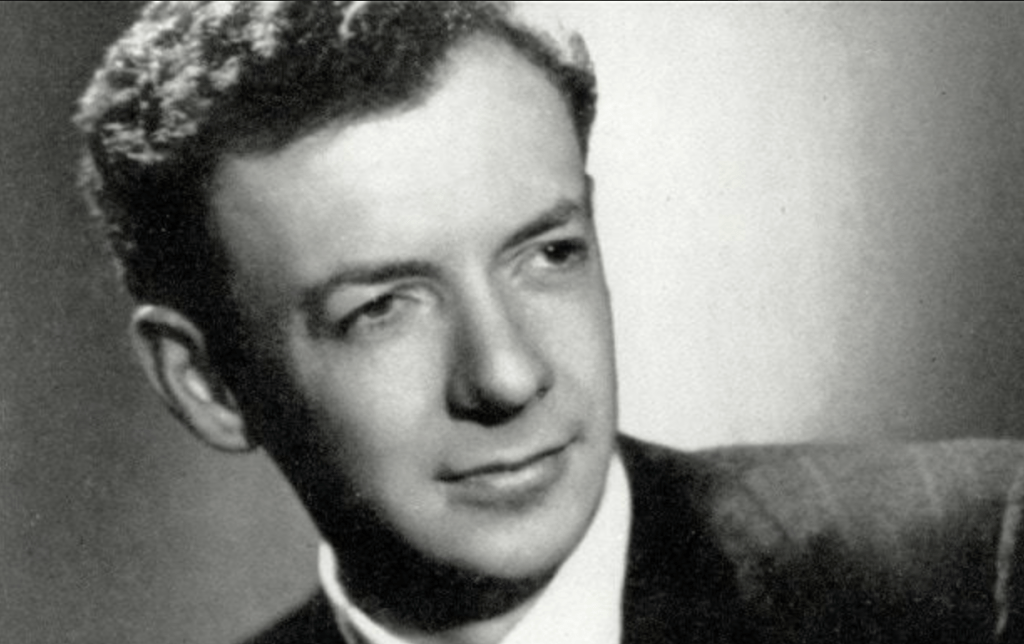
The Phantasy Quartet is a remarkably mature work for a composer of 18 and must surely have drawn from the encouragement towards experimentation that Britten received from his first and most important of teachers, Frank Bridge.
Written in a single movement, its loose sonata form is introduced by a Marcia on the cello:
The modal tensions built up through the string entries are mirrored by the beautiful oboe theme and cadenza from which springs the material of the two main subjects of the subsequent Allegro Giusto.
The slow section which emerges from the truncated and subsiding first movement, forms an eloquent centre piece to the work and here the oboe departs to leave the strings to develop the violin’s theme.
Rising to a passionate climax and then dying away to a bare and still viola ostinato, the oboe is reintroduced on a high E in a magical moment of fantasy.
The music reawakens and is triumphantly brought back to the opening Marcia which, mirror-like, dies away to leave the cello where it began.
THE TEXT ABOVE IS AN Excerpt from notes with the 2004 recording “An English Renaissance, music for oboe and strings inspired by Léon Goossens”, recording by George Caird and friends. Notes by George Caird. THE MUSICAL EXCERPTS ARE FROM THIS SAME RECORDING.
——-
*This 1933 BBC Broadcast started a long cooperation between Benjamin Britten and the BBC. Britten became best known as an opera composer (Peter Grimes, a Midsummer Night’s Dream, Billy Budd,…), but one of the most famous fruits of his long cooperation with the BBC was the 1945-1946 “Young Person’s Guide to the Orchestra”:

 UP CLOSE AND CLASSICAL
Leave a comment